

Neurofables
Inclusion
Before Kids Can “Be Kind,” They Need to Rewire the Thinking Habits that Get in the Way
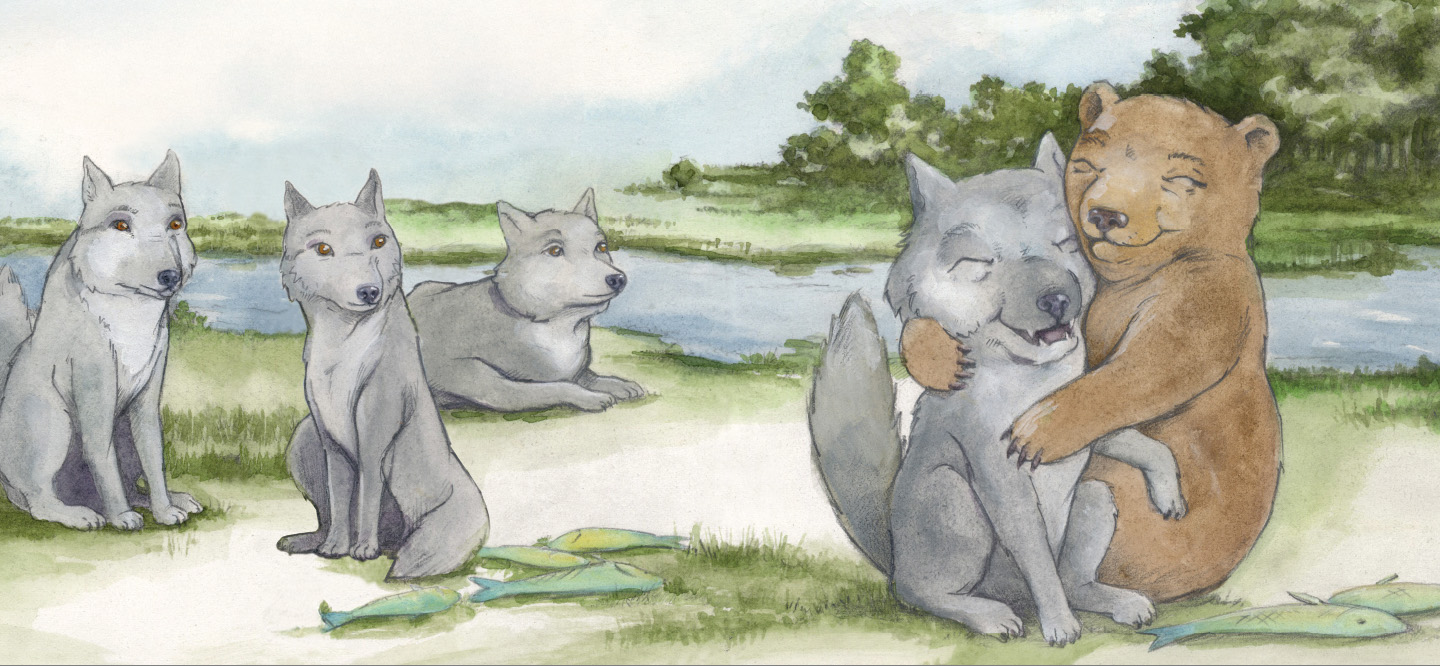
Neurofables is 6-week K-5 curriculum grounded in cognitive science. Through interactive storytelling, children learn to recognize the brain’s automatic shortcuts, like “us vs. them” thinking, and practice overriding them when those habits are most malleable.
What Makes Neurofables Different?
SEL programs teach children what to do: be kind, include everyone, use your words. Neurofables teaches children why their brains make it difficult and gives them deliberate practice making more inclusive choices.
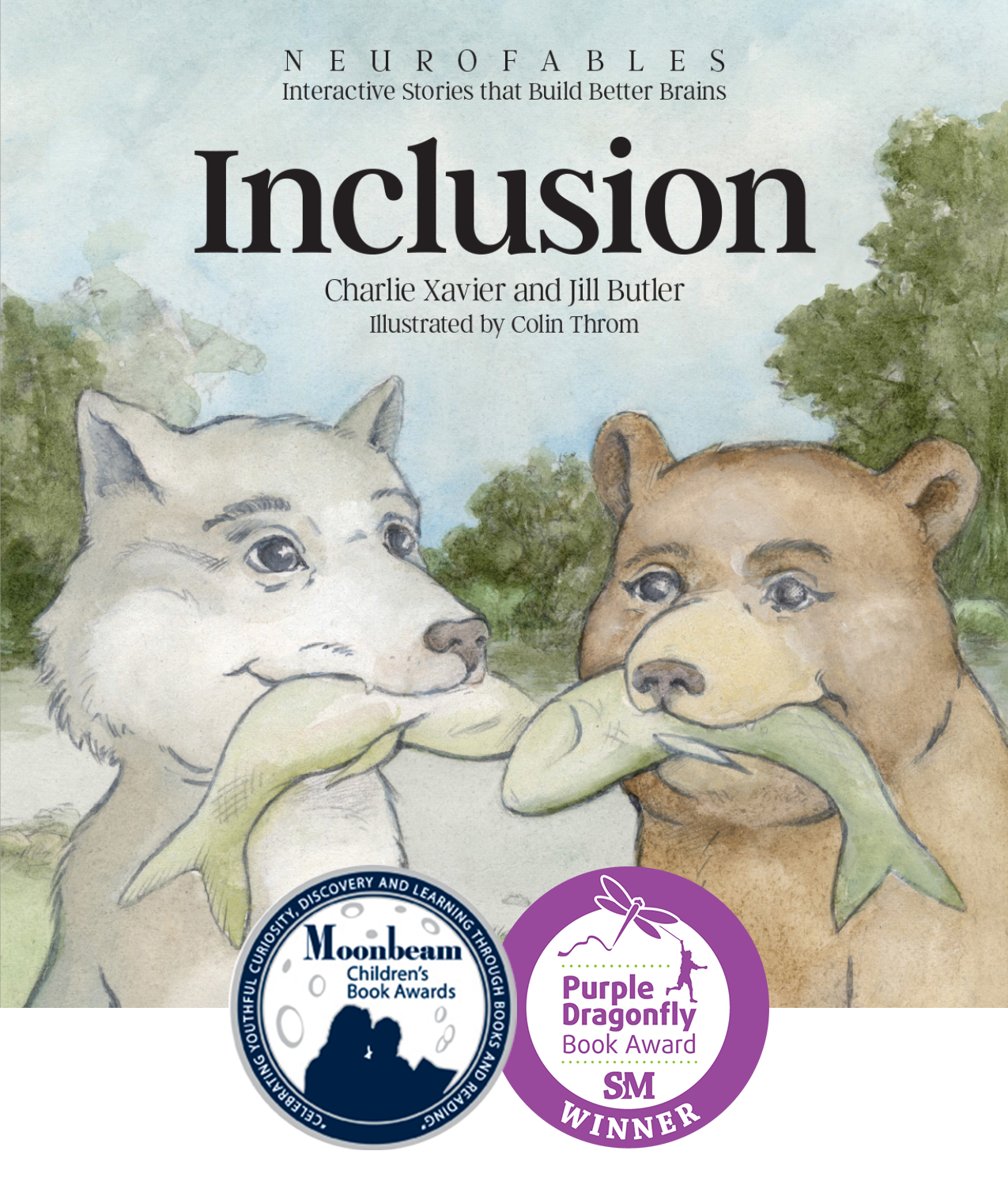
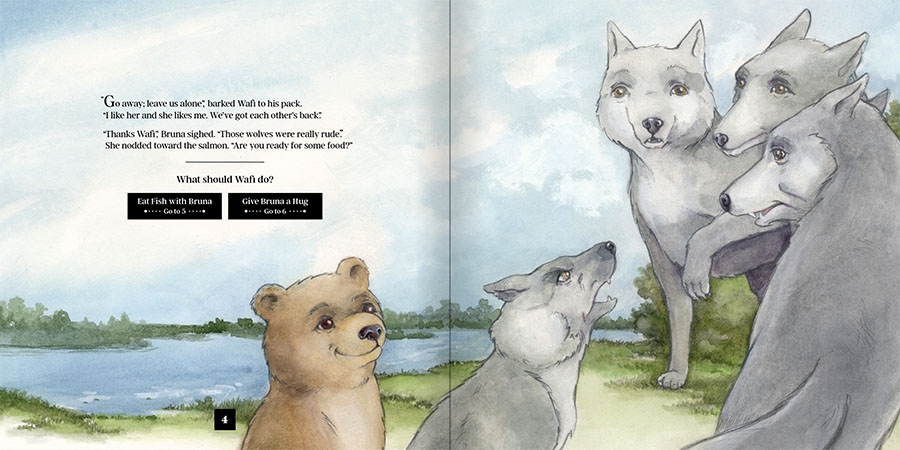
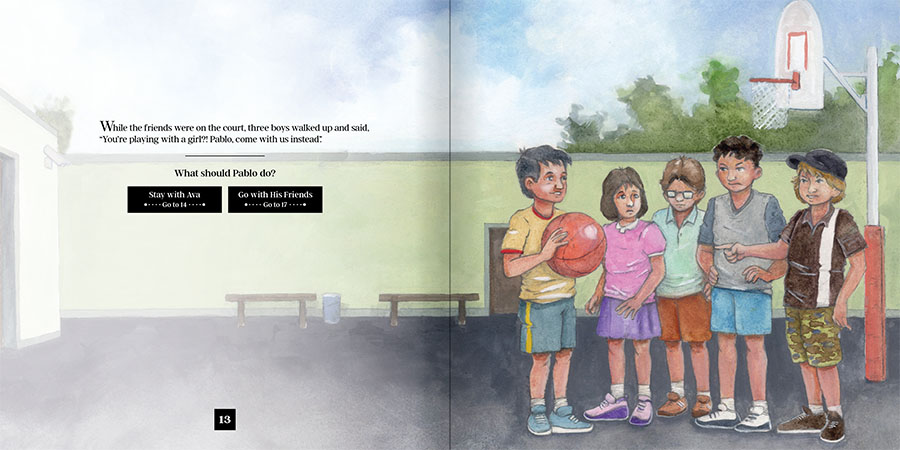
The curriculum is built around an award-winning choose-your-own-adventure picture book. Children make decisions for the characters, experience the consequences of both inclusive and exclusive choices, and begin to recognize and rewire those patterns in their own thinking.
The act of choosing and experiencing outcomes is the mechanism for learning. Not guidelines or reminders. Real cognitive practice.
Neurofables doesn’t replace your current SEL program. It builds the cognitive foundation that makes it work.
The Problem
The Gap in How We Teach
Teachers are asked to foster inclusion, collaboration, and perspective-taking every day. Most approaches focus on shaping behaviors, but they skip a step:
Children aren’t excluding others because they don’t know the rules, they’re doing it because their brains are running automatic processes that sort people into “us” and “them” before conscious thought even kicks in. These shortcuts are called cognitive biases and they’re operating in every brain, in every classroom, every day.
If we only address the behavior without addressing the thinking habits underneath, we’re building on sand.
The Science
A Window in Early Childhood
In-group/out-group bias is one of the brain’s oldest shortcuts. It helped early humans survive, but in modern society it drives exclusion, stereotyping, and the social hierarchies that make teachers’ jobs harder.
But, we also know that young children’s brains are remarkably plastic. The cognitive pathways they build now become the defaults they carry into adulthood. That window of increased neuroplasticity doesn’t stay open forever.
Early intervention doesn’t just teach inclusive behavior, it reshapes how the brain processes difference in the first place. These early elementary years are where we shape how humans think.
“An inclusive mindset is badly needed to stem the tide of tribalism in our fractured world. This lovely volume uses poetic stories as a means of aiding children to obtain empathy for outsiders.”
Michael I. Posner, Professor Emeritus, University of Oregon
The Approach
How It Works
Neurofables uses what teachers already do well (read-alouds, storytelling, discussion) and makes it targeted. Six weeks, roughly 30-45 minute lessons. Teachers can adjust pacing to fit their students and their schedule.
The 6-Week Arc
| Week 1 | Introduce how brains take shortcuts and what perspective-taking actually requires. |
| Week 2 | First full read of Neurofables: Inclusion. Experience both stories and the choice-making structure. |
| Week 3 | Re-read with focus on decision points. Students begin creating thier own inclusion stories. |
| Week 4 | Name in-group/out-group bias explicitly. Identify triggers and strategies. |
| Week 5 | Transfer to real-life scenarios. Peer feedback on student stories. |
| Week 6 | Celebrate student work. Third read with student facilitation. Commit to ongoing practice. |
What’s Included
Everything Your Teachers Need
- Live implementation workshop (in-person or virtual)
- Classroom book set (6-8 copies of Neurofables: Inclusion)
- Complete teacher’s guide with complete lesson sequence
- Ready-to-use lesson plans. No curriculum development required
- Discussion guides and extension activities
- Family communication templates
- Mid-point check-in and ongoing email support
- End-of-unit debrief
- Post-unit refresher activities (10 minutes each) to maintain and strengthen inclusive thinking habits

Meet
Dr. Charles Xavier
Charlie Xavier is a former special educator with a Ph.D. in Educational Neuroscience and Educational Psychology from George Mason University. He spent five years as a research scientist at Avenues: The World School, where he supported cross-campus integration of cognitive science into teaching practice. Now Charlie consults with schools across the world to leverage cognitive science for lasting impact on students. Neurofables grew from a simple observation: if we want to change how children think, we need to interrupt problematic thinking habits when they are most malleable using our most powerful instructional strategy: story.
“I liked the book because usually in a normal book there is only the author’s way. In this book, you can be the author.”
Student, age 10